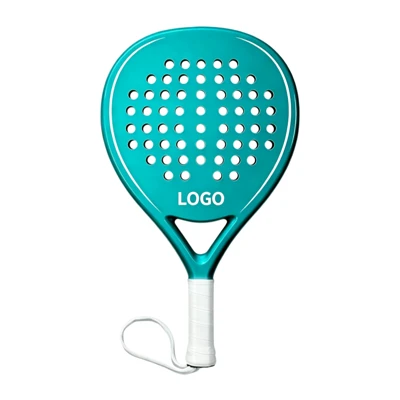

In recent years, Padel has rapidly surged in popularity across Europe, South America, and the Middle East, driving a continuous explosion in market demand. However, many buyers frequently encounter pitfalls during the procurement process: rackets that appear nearly identical in appearance often vary drastically in price; low-cost purchases frequently result in defects such as cracked faces, collapsed cores, or peeling paint; and while buyers seek direct factory sources for stable supply, they often struggle to distinguish genuine manufacturers from trading companies.(
This article addresses the core concerns most critical to buyers, providing a detailed breakdown of the key material differences found in Padel rackets.We will deconstruct the logic behind the success of top-selling products from major brands and guide you on how to precisely identify high-quality suppliers-helping you mitigate procurement risks and develop highly competitive,best-selling products.(NEX Padel:https://nexpadel.com/complete-guide-to-choosing-the-right-padel-racket/)
1.3K,12K,18K Carbon Fiber Beach Tennis Rackets: Key Differences-A Must-Read for Buyers
The grade of carbon fiber directly determines a beach tennis racket's feel, durability, and price point, with different grades catering to distinct market segments.(Rackets Tour:https://racketstour.com/blogs/what-is-padel/understanding-padel-racket-materials-a-complete-guide) 3K carbon fiber boasts exceptional toughness, offers a soft feel upon impact, and comes at a moderate cost;it is ideal for entry-level training and casual recreational play.Characterized by a low return rate, it is well-suited for high-volume wholesale distribution.12K carbon fiber features higher density, delivering superior rigidity and explosive power while striking a balance between control and force; it is the mainstream choice for clubs and intermediate-to-advanced players, as well as a common material for top-selling cross-border products. 18K carbon fiber represents the high-end competitive tier,offering maximum stability and precision alongside outstanding durability;comparable to offerings from major international brands, it is the perfect choice for developing premium product lines and enhancing brand value.(NEX Padel:https://nexpadel.com/3k-12k-18k-and-24k-different-carbon-fiber-makes-any-difference/)

Simply put: choose 3K for mass-market volume sales, 12K for mid-range bestsellers, and 18K for high-end competitive gear. Clear positioning is the key to precisely meeting market demands.
2. Why Do High-End Padel Rackets from Major Brands Command Premium Prices Yet Remain Best-Sellers?
Many buyers have observed that while the unit prices of padel rackets from international brands far exceed those of standard products, they consistently dominate the best-seller lists. This phenomenon stems primarily from three core factors: First, they utilize genuine high-modulus carbon fiber paired with premium EVA cores, ensuring robust construction and absolutely no compromise on materials; second, their hole patterns and weight distribution undergo professional calibration, resulting in a stable and exceptional hitting experience; and third, they adhere to rigorous quality control standards-featuring durable, abrasion-resistant finishes that resist delamination, along with minimal weight variance-making them highly resistant to damage even after prolonged use.(Raquex:https://www.raquex.com/blogs/news/how-are-padel-rackets-made)
From a procurement perspective, there is no need to blindly chase after high-priced brand names. By simply identifying a source factory capable of matching the craftsmanship and quality standards of major brands, you can develop high-margin products with strong repurchase potential at a reasonable cost.(NEX Padel:https://nexpadel.com/the-process-behind-crafting-the-perfect-padel-racket/)

3. A Must-Read for Buyers: How to Select a High-Quality Padel Racket Manufacturer?
To ensure a stable and consistent long-term supply, selecting the right factory is far more critical than simply comparing prices. A high-quality supplier must meet five key criteria: First, material transparency-they must be able to provide clear certification regarding carbon fiber grades, and the composition of the internal core material must be fully verifiable. Second, mature manufacturing processes-they should utilize a one-piece molding technique, feature a uniform and wear-resistant paint finish, and demonstrate high consistency in quality across mass production batches.
Third, strong customization capabilities-they must support the customization of logos, colors, and patterns, and be able to collaborate on creating exclusive, brand-specific designs. Fourth, international trade expertise-they should be well-versed in the compliance requirements of European and North American markets, offer reliable delivery schedules, and provide prompt after-sales support. Fifth, pricing transparency-their pricing structure should be clear, with reasonable Minimum Order Quantities (MOQs), tiered pricing options for bulk orders, and absolutely no hidden fees.(NEX Padel:https://nexpadel.com/top-8-chinese-padel-racket-suppliers-ranked/)

4. Conclusion
The Padel tennis market remains in a phase of rapid growth, with overseas demand continuing to surge; this represents a golden opportunity for strategic market positioning. For buyers, the key to securely capturing market dividends-and successfully developing Padel rackets that enjoy sustained popularity-lies in avoiding inferior suppliers and instead selecting source factories that offer authentic materials, reliable craftsmanship, and the potential for long-term partnership.